Infrastructure
After launch: hosting and care for custom software
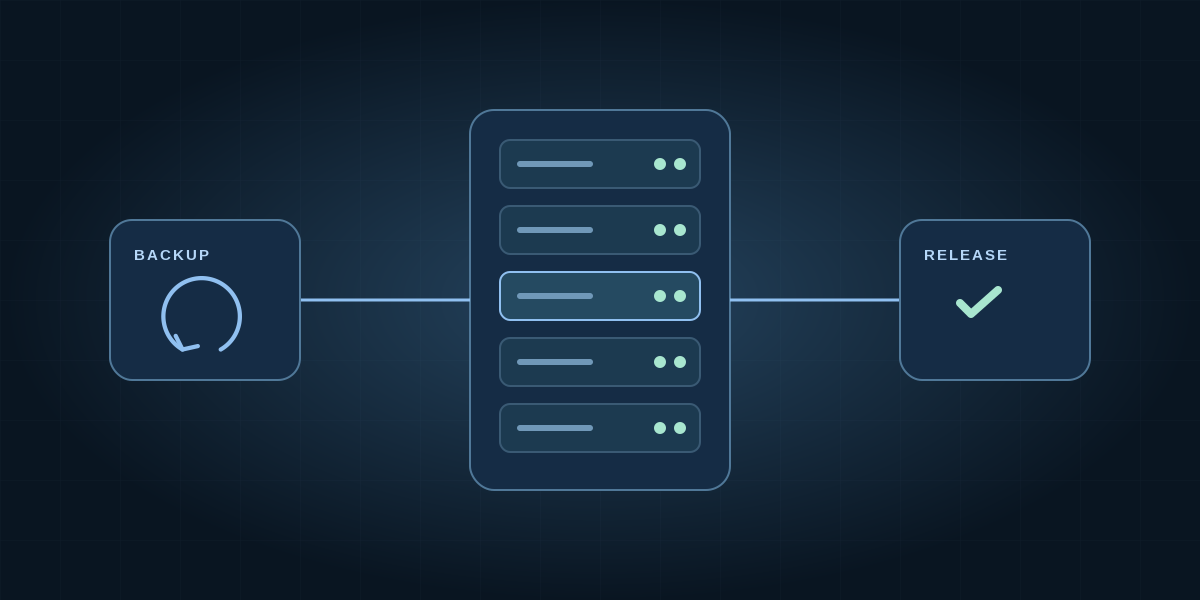
Custom software becomes part of how a business operates the day it launches. What keeps it dependable is not the launch itself but the care that follows: hosting, updates, backups that are actually restored, careful releases and a clear owner.
By Matteo Gelsomini ·
- One accountable owner
- Tested backups
- Planned changes
Launch is the start of operation
Once a business relies on a system for orders, bookings or client work, its reliability becomes an operational concern. Software needs a place to run, security updates, monitoring, backups and occasional changes. None of these are dramatic, but skipping them is how dependable systems slowly become fragile.
For custom software, the simplest arrangement is often that the team who built it also runs it. They understand how it works, which reduces the time between a problem appearing and someone who can fix it.
What hosting and care should cover
The exact scope varies, but a clear service usually answers each of these points in writing.
- Where the application and its data run, and who manages that environment.
- How security and dependency updates are applied and verified.
- How releases are checked before they reach users, and how a release is rolled back.
- The backup schedule, how long backups are kept and how often a restore is actually tested.
- How support requests and changes are made, prioritised and approved.
- How data is exported and how the system would be handed over.
Backups only count if they restore
A backup that has never been restored is an assumption. Periodic restore checks — recovering a sample of data into a separate environment and confirming it is complete — are what turn backups into evidence. The schedule and retention should reflect how much data the business could afford to re-enter and how far back it might need to go.
Restore checks also reveal practical details: how long recovery takes, which steps are manual and who needs to be involved. Those details matter on the day something goes wrong.
Changes without surprises
Businesses change, and their software should be able to follow. A predictable process helps: requests are described, estimated and approved before work starts; changes are tested in a separate environment where the plan includes one; and releases are verified once live.
Clear allowances make this easier to budget. Routine care fits within an agreed monthly scope, while larger changes are quoted separately. Neither side has to guess what is included.
Knowing how you would leave
A responsible arrangement includes an exit. The business should know what data it can export, in which format, and what a handover to another provider would involve. Planning this at the start is not a sign of distrust; it is part of owning a system the business depends on.