Business systems
Who owns the code? Ownership, access and lock-in when you commission software
"We own it" can mean the data, the right to use the software or the source code itself. They are different things, contracts treat them differently, and the one that matters most on the day you change provider is usually your data.
By Matteo Gelsomini ·
- Data stays yours
- Licence or assignment
- Exit planned early
Three things that get called ownership
When a business commissions software, "who owns it?" is usually asked once and answered loosely. It covers three separate questions, and a contract can answer each one differently.
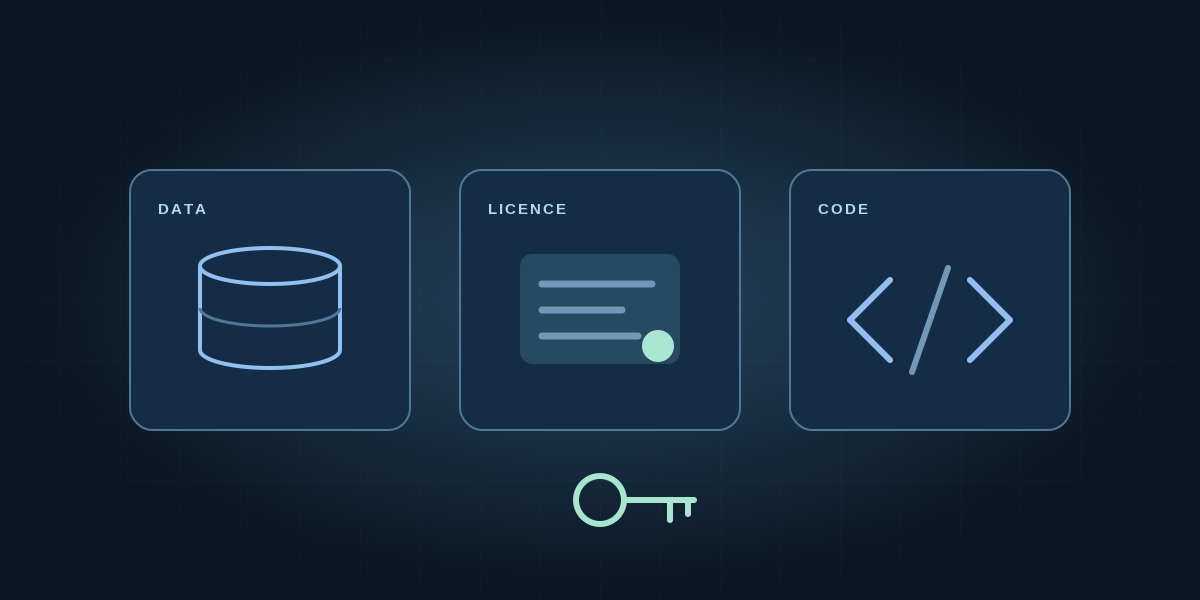
- The data: the customer records, documents and history your business puts into the system.
- The right to use: a licence to run the software for your business, for as long as the agreement says.
- The source code: the human-readable program that the software is built from, and the copyright in it.
What the law does by default
In Australia, software code is protected by copyright as a literary work. As a general rule, the first owner of copyright is the person or business that wrote the code. Employees writing code as part of their job are an important exception: their employer is usually the owner. Paying an independent contractor or agency to write software does not, by itself, transfer the copyright to you. That generally needs a written agreement.
This is a simplified summary, and the details depend on the facts and the contract. If ownership matters to your business, ask your adviser to read the intellectual property clause before you sign.
Common arrangements
Assignment
The provider transfers the copyright in the code written for you. You receive the source code and can change, sell or give it to another developer. Expect it to cost more, and expect exclusions: providers rarely assign the libraries and tools they reuse across clients.
Licence
The provider keeps the copyright and grants you a licence to use the software. The key questions are what the licence covers, whether it continues after the services end, and whether it includes the source code or only the compiled software.
Licence with escrow or source access
A middle path: the code stays with the provider, but a copy is deposited with a third party or made available to you if defined events occur, such as the provider ceasing to trade. It needs to be set up and kept current to be worth anything.
Lock-in is mostly about data and accounts
Source code is the question people ask, but it is rarely what stops a business from changing provider. A new developer will often prefer to rebuild in their own way rather than take over unfamiliar code. What a business cannot easily recreate is its data, and the accounts that its systems and customers depend on.
That makes a few practical points more important than the copyright clause.
- Your domain name is registered in your business's name, and you can log in to it.
- Accounts with payment, email and other third-party providers are held by your business, or handed over when the service ends.
- You can obtain a complete export of your data in a standard format, within a stated time.
- There is enough documentation for another provider to understand what the system does.
- Open-source and third-party components are identified, with their own licences.
Why providers keep the code
Many providers, including agencies and product companies, keep the copyright in their code. Usually it is not about holding the client hostage. A provider builds up libraries, templates and tools over many projects, and reusing them is a large part of how it delivers reliable software at a reasonable price. Assigning all of that to each client would make it impossible to reuse.
The trade-off is real, though. If the provider keeps the code, the business depends on the licence, the data export and the provider's continued service. Those are the points to read carefully, rather than assuming that ownership of the code would solve everything. The guide to custom or off-the-shelf software makes a similar point about subscription products, where the business never owns the code at all.
How this site's terms handle it
It is easier to judge a contract when you see one, so here is how the Terms of Service for custom software on this site deal with ownership. Your data and content remain yours; MG uses them only to provide and support the services. MG's software and know-how, including source code, repositories, templates, libraries and tools, remain MG's, including improvements made while working for you.
Once the relevant invoices are paid, you receive a non-exclusive, non-transferable licence to use the compiled software delivered for your business, for the purpose described in the order. That licence continues after the services end. It does not include the source code or the right to resell the software.
When a service ends, you receive a standard export of your data, normally within five business days, and the credentials for accounts you own are handed to the person you nominate. Transition work beyond that, such as a migration to a new provider, is quoted separately. If your business needs a different arrangement, raise it before the proposal is accepted: where an order and the terms differ, the order applies, so anything different has to be written into the order.
Ownership is part of the price
Ownership terms and price are linked. An assignment of code written exclusively for one business, with source code and documentation for another developer, is a different product from a licence to use a system that the provider continues to run. Neither is wrong. Compare quotes on the same basis, and include the exit in the comparison, as the article on what custom software costs suggests.
Questions to settle before you sign
- Who owns the copyright in the code written for us, and what exactly is excluded?
- What licence do we receive, does it survive the end of the agreement, and does it include source code?
- Which accounts and domains are in our name, and which are in the provider's?
- What export do we get if we leave, in what format and how quickly?
- What happens if the provider stops trading?
Frequently asked questions
If we pay for the build, don't we own the code automatically?
Not necessarily. Without a written assignment, copyright in code written by an independent contractor generally stays with the contractor, and you rely on the licence the contract gives you. Check the agreement with your adviser.
Is a licence worse than ownership?
Not always. A clear, continuing licence, a reliable data export and accounts in your own name protect most businesses well. Ownership of the code matters most when you plan to develop the software further with someone else or sell it.
Can we move to another provider later?
Yes, if the exit is planned: your data in a standard format, your accounts and domains in your name, and documentation of what the system does. Agree those points at the start, while both sides are motivated to make it easy.
Further reading
- Attorney-General's Department — Copyright basics: What copyright protects in Australia, including computer programs and software code.